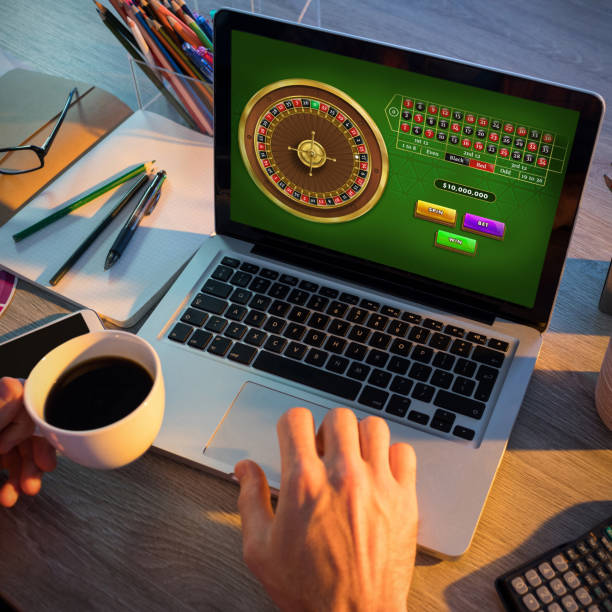
Understanding the psychology behind gambling why we take risks at casinos
The Allure of Risk-Taking
Risk-taking is an inherent part of human nature, fueled by the thrill of uncertainty. In the context of gambling, the prospect of winning often outweighs the fear of losing. The excitement experienced while betting creates a dopamine rush, a neurotransmitter associated with pleasure and reward. This chemical reaction not only heightens the mood but can also lead individuals to chase losses, believing that fortune will soon smile upon them. As players explore their options, they might find websites like https://luckyparicasino.com/ especially enticing.

This allure is further amplified by the environment of casinos, designed to stimulate the senses. The bright lights, sounds of slot machines, and the ambiance of celebration create a euphoric atmosphere. Such an environment often disorients rational thinking, making it easier for gamblers to overlook the odds stacked against them. In this haze of excitement, they become more willing to embrace risks, viewing each game as an opportunity for a thrilling escape.
The societal acceptance of gambling contributes significantly to this behavior. Many people view gambling as a casual pastime, which further normalizes risk-taking. Movies, social media, and advertisements often romanticize the idea of hitting the jackpot. This narrative not only entices individuals to participate but also fosters a belief that success is just around the corner, making it harder to resist the urge to gamble.
The psychology behind gambling is complex and multifaceted. Cognitive biases, such as the illusion of control, play a significant role in a gambler’s mindset. Many gamblers believe they can influence the outcome of random events, like rolling dice or spinning a wheel, leading them to take greater risks. This misguided sense of agency can make them more inclined to wager larger amounts, thinking they can tip the odds in their favor. Understanding these factors can improve strategies for winning at poker.
Another key psychological mechanism is the reinforcement schedule associated with gambling. Casinos often employ various rewards systems that can condition individuals to continue gambling, even when they experience losses. For instance, intermittent rewards—occasional wins amidst a series of losses—create a cycle that keeps players engaged. This unpredictability can lead to addictive behaviors, making it difficult for players to walk away.
Additionally, the concept of ‘near misses’ plays a crucial role in sustaining gambling behavior. When players nearly win, they often feel a rush of excitement, leading them to believe that a win is imminent. This misinterpretation reinforces their desire to keep playing, as the thrill of nearly succeeding can be just as compelling as actual wins. These psychological mechanisms intertwine, creating a potent mix that encourages individuals to take risks at casinos.
Emotions are powerful influencers in the realm of gambling. Positive emotions, such as excitement and joy, can lead to increased risk-taking. Gamblers often chase the high that comes from winning, seeking to replicate that feeling with each game. The anticipation of potential wins can overshadow the rational assessments of the risks involved. In this emotional state, logical thinking takes a backseat, driving individuals to make impulsive decisions.
Conversely, negative emotions, such as stress or anxiety, can also lead to gambling as a coping mechanism. Some individuals turn to casinos as a way to escape their troubles, believing that a big win might solve their problems. Unfortunately, this often results in a downward spiral. As they lose money, stress levels increase, perpetuating the cycle of seeking solace in gambling, even when it becomes detrimental to their lives.
The interplay of emotions and gambling behavior also extends to social factors. For many, gambling serves as a social activity, providing opportunities to bond with friends or family. This communal aspect can amplify emotional highs and lows, leading to riskier behavior as players seek to impress one another or share in the thrill. In these settings, the social pressure can push individuals to gamble more than they might otherwise, further complicating the psychological landscape of gambling.
Marketing strategies and the physical environment of casinos play crucial roles in shaping gamblers’ behaviors. Casinos invest heavily in creating inviting atmospheres that encourage patrons to stay longer and spend more. The placement of games, complimentary drinks, and enticing promotions are all carefully designed to create an engaging experience. This environmental manipulation can significantly affect decision-making, often leading to increased risk-taking.
Moreover, targeted advertising can influence an individual’s perception of gambling. Promotions that highlight large jackpots or success stories can create a sense of urgency, compelling potential gamblers to act. This creates an impression that winning is more common than it is, fostering unrealistic expectations. Over time, this can normalize high-stakes gambling, leading individuals to take risks they might not otherwise consider.
The impact of these marketing strategies extends to online gambling platforms as well. With the rise of digital casinos, players are exposed to constant notifications and enticing promotions designed to draw them back in. This round-the-clock availability and immediate gratification contribute to a gambling culture that prioritizes risk-taking, often overshadowing the realities of loss. As individuals navigate this landscape, they may find themselves increasingly drawn to high-risk gaming experiences.

Understanding the psychology behind gambling is essential for both players and operators. Platforms like LuckyPari recognize the importance of creating a safe and enjoyable gaming environment. With a wide range of sports and casino games, LuckyPari aims to cater to diverse preferences while promoting responsible gaming practices. Their commitment to user security and support ensures that players can enjoy their experiences without compromising their well-being.
LuckyPari also offers various resources to help players understand the risks associated with gambling. By providing information about responsible gambling, they empower individuals to make informed decisions about their gaming activities. The platform’s customer support is available around the clock, ensuring that players have access to assistance whenever needed, further emphasizing the importance of a supportive gaming community.
In conclusion, as players engage with games, understanding the psychological factors at play is crucial. LuckyPari provides not just a gaming platform but a comprehensive approach to responsible gambling. With a focus on user experience and education, they strive to create a space where players can enjoy the thrill of gambling while remaining aware of the associated risks, ultimately promoting a healthier gaming culture.
“`